 Ask Bookolatha
Click to enlarge
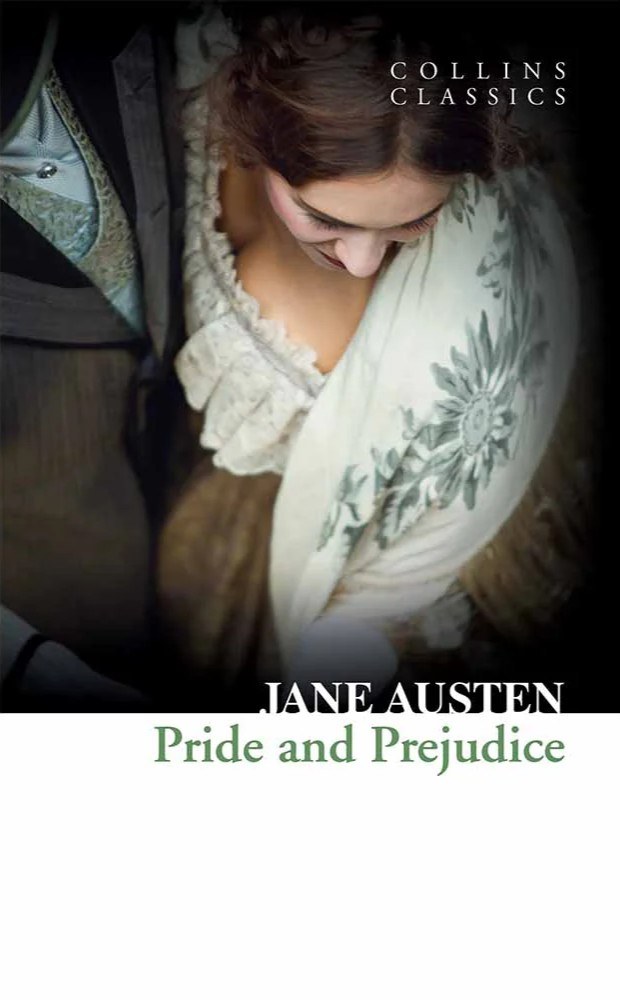
Pride and Prejudice
Tags
Out of Stock
Currently unavailable
Currently Unavailable
This book is out of stock
Ask about this book
Not sure if it's right for you?
Ask our assistant anything about Pride and Prejudice.
Answers are AI-generated from this book's details and may not be perfect.
Pride and Prejudice is Jane Austen's most beloved novel, a masterpiece of wit, social commentary, and romantic tension. First published in 1813, it tells the story of the Bennet family, particularly the spirited and intelligent Elizabeth Bennet, and her complex relationship with the proud but honorable Mr. Darcy. Set in rural England during the Napoleonic Wars, the novel opens with one of the most famous lines in literature: "It is a truth universally acknowledged, that a single man in possession of a good fortune, must be in want of a wife." This ironic statement sets the stage for a drama of manners, misunderstandings, and personal growth.
Mrs. Bennet is determined to marry off her five daughters to wealthy suitors. When the wealthy Mr. Bingley arrives in Netherfield Park, he quickly takes a liking to the gentle Jane Bennet. His friend, Mr. Darcy, initially snubs the local society, earning the immediate dislike of Elizabeth. Darcy's pride and Elizabeth's prejudice form the central conflict. As the story unfolds, Elizabeth meets the charming but deceitful Mr. Wickham, who slanders Darcy. Elizabeth believes Wickham's lies, deepening her prejudice. Meanwhile, Darcy finds himself increasingly attracted to Elizabeth despite her lower social standing. After a disastrous marriage proposal from Darcy, where he declares his love but insults her family, Elizabeth rejects him angrily. This turning point leads both characters to reflect on their faults.
Austen masterfully uses letters to reveal character and advance the plot. Darcy's letter explaining his actions forces Elizabeth to reconsider her judgments. She realizes she has been blind to her own prejudice and to Wickham's true nature. Darcy, too, overcomes his pride, proving his worth through humble actions like helping Lydia Bennet's scandalous elopement. The novel also features memorable secondary characters: the pompous Mr. Collins, the silly Mrs. Bennet, the bookish Mary, and the outrageous Lady Catherine de Bourgh, whose final confrontation with Elizabeth is a highlight of female defiance.
Through sharp dialogue and ironic narration, Austen explores themes of class, marriage, morality, and self-knowledge. The famous final chapters see Darcy and Elizabeth united after overcoming their flaws, while Jane and Bingley find happiness. The novel ends with a wry commentary on the marital fortunes of the Bennet sisters. Pride and Prejudice remains a cornerstone of English literature, admired for its psychological depth and timeless exploration of how love can conquer snobbery and misunderstanding. It has inspired countless adaptations, from the 1995 BBC miniseries to modern retellings like Bridget Jones's Diary.
Beyond the central love story, Austen weaves a rich tapestry of social dynamics. The entailment of Longbourn estate to the odious Mr. Collins highlights the precarious position of women in a world where property and inheritance determine survival. Charlotte Lucas's pragmatic marriage to Collins underscores the limited options available to women without fortune. In contrast, Lizzie's refusal to compromise her principles, even for security, marks her as a proto-feminist heroine. Austen also satirizes the hypocrisy of the landed gentry through Lady Catherine's meddling and the snobbery of Miss Bingley. The novel examines the tension between individual desire and social expectation, a theme that resonates powerfully with modern readers.
The historical context of the Napoleonic Wars adds a layer of tension, as militia regiments like Wickham's bring danger and excitement to rural society. The threat of scandal, seen in Lydia's elopement, imperils the entire family's reputation. Austen also explores the economics of marriage: Bingley's fortune, Darcy's wealth, and Wickham's debts all drive the plot. The novel's enduring appeal lies in its sharp psychological insight. Through free indirect discourse, Austen allows readers inside the minds of her characters, particularly Elizabeth, who must confront her own misconceptions. This technique creates a sense of intimacy and growth rarely achieved in earlier fiction.
The theme of self-knowledge is paramount. Elizabeth learns that her pride in her own judgment is as flawed as Darcy's social arrogance. Her journey from prejudice to understanding mirrors Darcy's from pride to humility. The famous scene at Pemberley, where Elizabeth sees Darcy's true character through his estate and his sister, marks a turning point. Austen uses the landscape and architecture to reflect inner qualities. The novel also celebrates the importance of family, even when that family is embarrassing. The relationship between Elizabeth and her father, Mr. Bennet, is especially poignant; his wit and neglect shape her independence. Ultimately, Pride and Prejudice argues that genuine love requires both self-awareness and the willingness to change.
For Sri Lankan readers, the novel offers a window into a world of manners and social hierarchies that, while distant in time, still echo in contemporary society. The themes of marrying for love versus security, the pressure of family expectations, and the struggle for personal happiness are universal. Bookolog is proud to offer this Penguin Classics edition, which includes an authoritative text, explanatory notes, and an insightful introduction by Vivien Jones that contextualizes Austen's world. Whether you are a first-time reader or returning to the story, this edition enhances the experience with historical background and critical perspective. Order your copy today from Bookolog in Sri Lanka and discover why Pride and Prejudice continues to captivate readers two centuries after its first publication.
Key Takeaways
- A story about learning to question first impressions and recognize your own flaws before judging others.
- Elizabeth Bennet's sharp wit and independence make her one of literature's most relatable heroines.
- The slow-burn romance between Elizabeth and Darcy feels deeply earned through misunderstanding and growth.
- Austen's satire of marriage and class expectations remains surprisingly sharp and funny two centuries later.
- Memorable supporting characters like Mr. Collins and Lady Catherine add comic relief and social critique.
Customer feedback
Reviews & Service Ratings
See what readers say about this book and our service.
Service rating
0.0/5
Please sign in to leave a review and rate our service.
No reviews yet. Be the first to rate this book and our service.
You Might Also Like
Browse All









Products You May Like
Shop All




Bookolatha
Online · Bookolog assistant
Bookolatha is grounded in our catalogue and store info. Answers may not be perfect.