
Click to enlarge
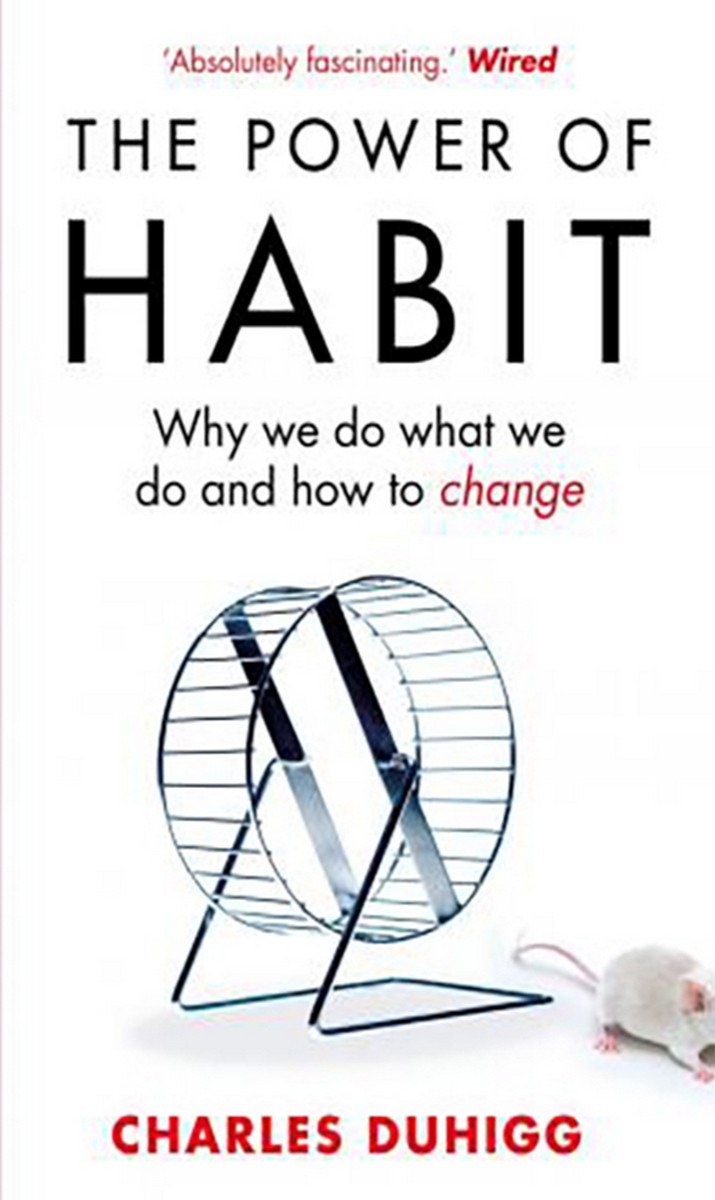
The Power of Habit: Why We Do What We Do in Life and Business
Tags
In Stock
In stock: 2-5 days delivery
Ask about this book
Not sure if it's right for you?
Ask our assistant anything about The Power of Habit: Why We Do What We Do in Life and Business.
Answers are AI-generated from this book's details and may not be perfect.
In The Power of Habit, Charles Duhigg takes readers on an illuminating journey into the science of habits, revealing the intricate mechanisms that drive our daily actions. Drawing from cutting-edge neuroscience, psychology, and a wealth of captivating real-world stories, Duhigg explains why we do what we do, and how we can transform our lives by understanding the habit loop: a three-part process of cue, routine, and reward. This foundational framework shows that habits are not destiny but rather patterns that can be decoded, reshaped, and optimized. The book has become a cornerstone for anyone seeking personal growth, professional effectiveness, or a deeper comprehension of human behavior. Whether you are a student in Colombo, a business leader in Sri Lanka, or someone navigating the complexities of modern life, this book offers practical, science-backed strategies to break free from destructive cycles and cultivate positive, lasting routines.
The book is masterfully structured into three distinct sections. In The Habits of Individuals, Duhigg explores how habits operate at the personal level through unforgettable stories like that of Eugene Pauly, who lost his memory yet could still form new habits. This case illustrates that habits are stored in the basal ganglia, separate from conscious memory. Duhigg introduces the golden rule of habit change: to modify a habit, you must keep the same cue and reward but alter the routine. He explains how identifying and redirecting neurological cravings can systematically rewire behaviors, offering hope for overcoming addictions, improving productivity, and building healthier routines. Each example is carefully dissected to reveal the underlying structure of habit formation, making the science accessible and actionable for readers around the world.
The second part, The Habits of Successful Organizations, shifts to the corporate world. Duhigg demonstrates how companies like Alcoa, Starbucks, and Target have harnessed habit science to drive innovation and boost performance. A standout concept is the keystone habit: a small change that triggers widespread transformation. Paul O'Neil, CEO of Alcoa, made worker safety the company's keystone habit, leading to dramatic improvements in efficiency and profitability. Starbucks built a training program that teaches employees to handle difficult interactions using the habit loop. Target uses purchase data to predict buying habits, raising ethical questions. For Sri Lankan businesses, these principles offer a roadmap for enhancing workplace culture, improving customer loyalty, and driving sustainable growth, whether in the Pettah markets or Colombo's financial district.
The third part, The Habits of Societies, examines how habits shape social movements. Duhigg uses the Montgomery bus boycott to illustrate how social habits can be redirected for collective action, showing that the boycott was planned using an understanding of community routines. He explores the spread of habits through weak ties, such as acquaintances who influence voting behavior. This section underscores that social habits are the oil that greases society, from public health campaigns to political movements. For Sri Lankan readers, it offers insights into shifting community norms for environmental stewardship, public safety, or inclusive practices.
Throughout the book, Duhigg emphasizes that habits are malleable. He introduces a four-step framework for habit change: identify the routine, experiment with rewards, isolate the cue, and have a plan. This simple yet profound method has helped countless people overcome procrastination, obesity, and more. The writing is accessible and engaging, with a journalist's knack for storytelling that makes complex research relatable. Duhigg also addresses the darker side of habit manipulation, such as casinos and advertisers exploiting the habit loop, urging readers to take control of their own patterns.
At Bookolog, we are proud to offer The Power of Habit to readers in Sri Lanka. This book is a vital addition to any personal library, whether you are a professional seeking to enhance your career, a student improving academic habits, or a parent instilling positive routines. The insights have been applied by Fortune 500 CEOs, Olympic athletes, and ordinary people worldwide. By ordering from Bookolog, you are not just buying a book; you are investing in a transformative tool that can unlock your potential. The power of habit is within your reach, and the journey begins with understanding the loop.
Key Takeaways
- Learn the habit loop of cue, routine, and reward to reshape your daily actions.
- Discover how keystone habits can trigger widespread, positive change in your life.
- Real stories show why willpower fails and how to build lasting new routines instead.
- Understand how companies like Alcoa used safety habits to revolutionize their culture.
- Gain insight into social habits that drove movements like the civil rights bus boycott.
Customer feedback
Reviews & Service Ratings
See what readers say about this book and our service.
Service rating
0.0/5
Please sign in to leave a review and rate our service.
No reviews yet. Be the first to rate this book and our service.
You Might Also Like
Browse All



Products You May Like
Shop All




Bookolatha
Online · Bookolog assistant
Chat history
This chat stays available while you browse.
Log in to save and revisit multiple conversations.
Log in →Bookolatha is grounded in our catalogue and store info. Answers may not be perfect.