
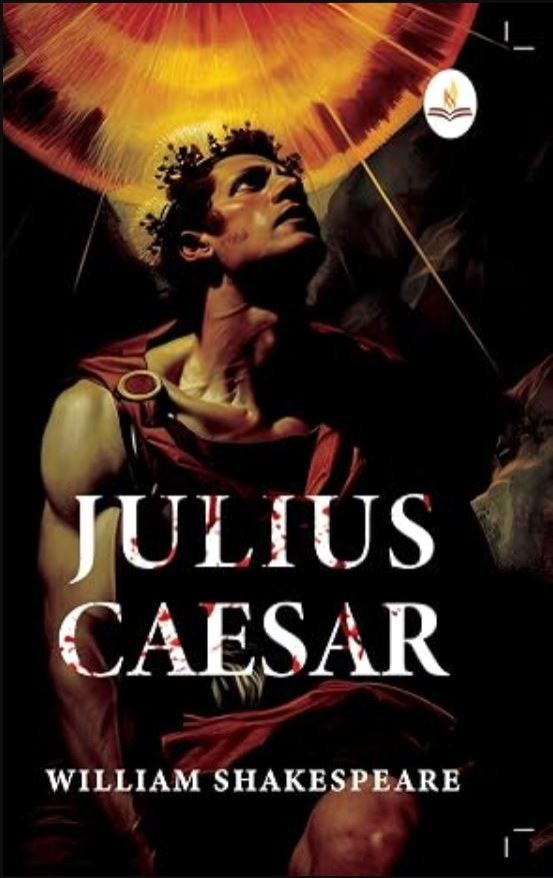
Click to enlarge
Julius Caesar (Prints Publication)
Tags
In Stock
In stock: 2-5 days delivery
Ask about this book
Not sure if it's right for you?
Ask our assistant anything about Julius Caesar (Prints Publication).
Answers are AI-generated from this book's details and may not be perfect.
William Shakespeare's Julius Caesar is a timeless political tragedy that delves into themes of ambition, betrayal, loyalty, and the consequences of power struggles. Set in ancient Rome, the play begins with the triumphant return of Julius Caesar after defeating his rival Pompey. The Roman populace celebrates, but not everyone is pleased. A group of senators, led by the charismatic Cassius and the noble Brutus, conspire to assassinate Caesar, fearing he will become a tyrant and destroy the Roman Republic.
The play explores the moral dilemmas faced by Brutus, a man torn between his love for Caesar and his duty to Rome. His internal conflict is a central theme: "Not that I loved Caesar less, but that I loved Rome more." This line captures the essence of the tragedy -- good intentions can lead to catastrophic outcomes. The assassination takes place on the Ides of March, famously warned by a soothsayer, but Caesar ignores the prophecy.
After the murder, the conspirators wash their hands in Caesar's blood, symbolizing their shared guilt. However, they fail to win the hearts of the Roman people. Mark Antony, Caesar's loyal friend, delivers a masterful funeral speech that turns the crowd against the conspirators. Using rhetoric and irony, he repeatedly calls the assassins "honorable men" while exposing their treachery. The speech is a highlight of dramatic persuasion and remains one of the most quoted in literature: "Friends, Romans, countrymen, lend me your ears."
The fallout is civil war. Brutus and Cassius flee Rome and raise armies to defend their cause. The second half of the play shifts to the battlefield, where they confront the forces of Octavius Caesar, Mark Antony, and Lepidus. The pivotal scene shows the ghost of Caesar appearing to Brutus, foreshadowing his defeat at Philippi. The play culminates in the suicides of Cassius and Brutus, each believing their cause is lost. Brutus dies honorably, with Antony declaring him "the noblest Roman of them all."
Shakespeare's Julius Caesar offers timeless insights into human nature, politics, and ethics. It examines how ambition can corrupt, how language can manipulate, and how even noble ideals can lead to tragedy. The characters are richly drawn: Caesar is portrayed as arrogant and superstitious; Cassius is envious and cunning; Brutus is idealistic and conflicted; Antony is loyal and opportunistic. Each represents different facets of political dynamics.
The play also raises profound questions about fate versus free will. From the soothsayer's warning to the stormy omens, the characters struggle to interpret signs. Brutus ignores the warnings of his wife Calpurnia and the augurers, leading to disaster. The theme of honor runs throughout: Brutus is determined to act honorably, yet his actions result in chaos. This paradox resonates with modern readers, making the play relevant centuries later.
In addition to dramatic dialogue, Shakespeare employs vivid imagery and classical references. The language is poetic yet accessible, with soliloquies that reveal inner thoughts. Brutus's soliloquy in his orchard is a study in decision-making under pressure. Antony's soliloquy over Caesar's body shows raw grief and resolve. These moments elevate the play beyond mere history into transcendent literature.
Julius Caesar has inspired countless adaptations, films, and stage productions. Its themes appear in political discourse and popular culture. The phrase "Et tu, Brute?" has become shorthand for ultimate betrayal. The play continues to be studied in schools and universities around the world, proving its enduring power.
This edition presents the text as originally published, with minimal modernization to preserve Shakespeare's authentic voice. It is an essential addition to any library of classic literature. Whether you are a student, a scholar, or a casual reader, Julius Caesar will captivate you with its drama, insight, and humanity.
Key Takeaways
- Understand the dangers of unchecked political ambition through Caesar's arrogance and the conspirators' motivations.
- Learn how masterful rhetoric, as shown by Mark Antony's funeral speech, can sway public opinion and spark civil war.
- Reflect on the conflict between personal loyalty and civic duty that torments Brutus throughout the play.
- See how misinterpretation of omens and advice leads to tragic outcomes, emphasizing the limits of free will.
- Appreciate the timeless exploration of honor, power, and fate that continues to resonate in modern politics.
Customer feedback
Reviews & Service Ratings
See what readers say about this book and our service.
Service rating
0.0/5
Please sign in to leave a review and rate our service.
No reviews yet. Be the first to rate this book and our service.
More from William Shakespeare
View All


You Might Also Like
Browse All





Products You May Like
Shop All




Bookolatha
Online · Bookolog assistant
Bookolatha is grounded in our catalogue and store info. Answers may not be perfect.