
Click to enlarge
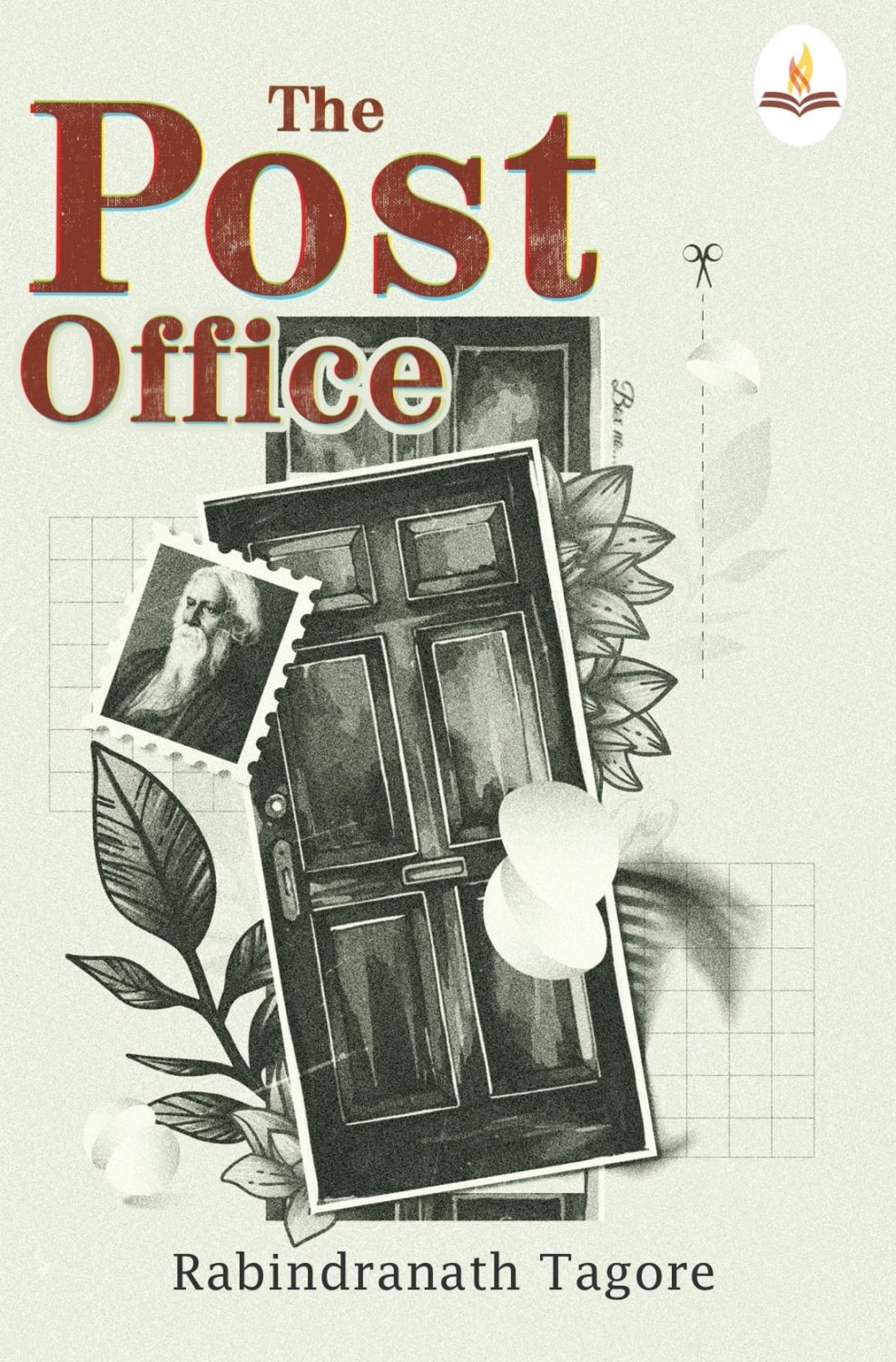
The Post Office (Prints Publication)
Tags
In Stock
In stock: 2-5 days delivery
Ask about this book
Not sure if it's right for you?
Ask our assistant anything about The Post Office (Prints Publication).
Answers are AI-generated from this book's details and may not be perfect.
The Post Office is a short play written by Rabindranath Tagore in 1912. It tells the story of Amal, a young boy who is confined to his home due to illness. His only window to the world is the road outside, where he observes passersby and imagines their lives. When a post office is built nearby, Amal becomes fascinated with the idea of receiving a letter from the king, a metaphor for freedom and spiritual release.
The play explores themes of confinement, imagination, and the human longing for connection. Amal's innocence and his conversations with characters like the village headman, the curd-seller, and the watchman reveal the stark contrasts between the material world and the world of dreams. Tagore uses the post office as a symbol of hope, communication, and the ultimate journey toward the divine.
Key characters include Amal, the sick boy; Madhav, his adoptive father; Sudha, a young girl who brings him flowers; and the Fakir, a holy man who speaks of the king's call. Each character adds depth to the play's philosophical underpinnings about life, death, and the afterlife.
Tagore wrote the play while his own health was delicate, and it reflects his personal struggles with mortality. The play was translated into English by Tagore himself and published in 1914. It has since been performed worldwide, often interpreted as an allegory for India's freedom struggle or as a meditation on the soul's journey.
The language is lyrical and simple, yet rich with symbolism. The play's structure is linear, with a single act and a few scenes. The climax is poignant and moving, as Amal's longing for the king's letter is fulfilled in a way that transcends physical reality.
In 1913, the year after writing the play, Tagore won the Nobel Prize. The Post Office remains one of his most beloved works, studied in schools and universities for its literary depth and emotional power. It is a timeless piece that resonates with readers of all ages.
This edition from Penguin Books includes an introduction and notes that provide historical context and critical analysis. The translation stays true to Tagore's original Bengali, preserving the poetic beauty of the dialogue. It is a must-read for lovers of classic literature and Indian drama.
Key Takeaways
- The play reminds us that even in confinement, the imagination can soar and connect us to the infinite.
- Amal's longing for the king's letter is a metaphor for the human soul's search for meaning and transcendence.
- Tagore's lyrical language and simple dialogue create a powerful emotional impact that lingers long after reading.
- The contrast between the bustling world outside and Amal's quiet room highlights the value of inner peace and reflection.
- This short but profound work encourages readers to find beauty and hope in the smallest moments of life.
Customer feedback
Reviews & Service Ratings
See what readers say about this book and our service.
Service rating
0.0/5
Please sign in to leave a review and rate our service.
No reviews yet. Be the first to rate this book and our service.
You Might Also Like
Browse All







Products You May Like
Shop All




Bookolatha
Online · Bookolog assistant
Bookolatha is grounded in our catalogue and store info. Answers may not be perfect.