
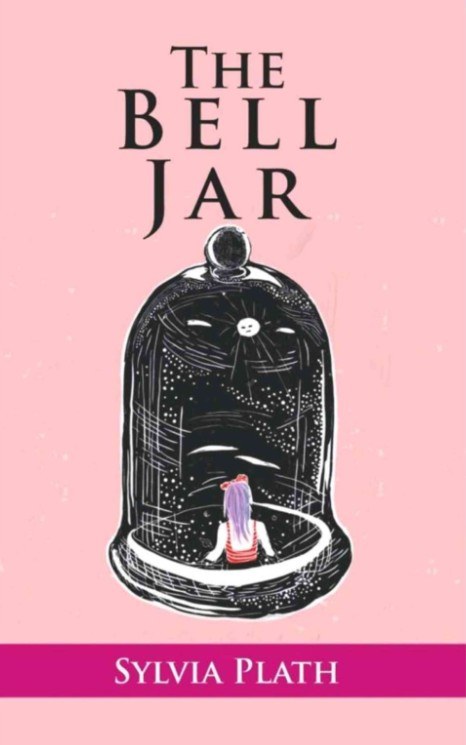
Click to enlarge
The Bell Jar
Tags
Out of Stock
Currently unavailable
Currently unavailable: let us help you find it
Ask about this book
Not sure if it's right for you?
Ask our assistant anything about The Bell Jar.
Answers are AI-generated from this book's details and may not be perfect.
The Bell Jar is Sylvia Plath's only novel, a semi-autobiographical masterpiece first published under the pseudonym Victoria Lucas in 1963, weeks before the poet's tragic death. Drawing directly from Plath's own experiences as a guest editor at Mademoiselle magazine and her subsequent battle with severe depression, the novel remains a cornerstone of American literature, celebrated for its raw exploration of mental illness, its searing critique of patriarchal society, and its enduring relevance to conversations about identity and ambition.
At its heart is Esther Greenwood, a brilliant college student from Boston who wins a coveted internship at a women's magazine in New York City. The city initially dazzles with promises of glamour and independence, but a sense of dislocation soon creeps in. The pressure to conform to narrow expectations - to marry well, be charming, and prioritize domesticity over her literary dreams - weighs heavily. Esther cannot reconcile her intellectual hunger with the limited roles society offers women in the 1950s. This dissonance sets the stage for her psychological unraveling.
Plath's prose is lyrical and precise, rendering delicate emotional states with startling clarity. The central metaphor of the bell jar captures Esther's experience: a transparent but impermeable enclosure that cuts her off from the world while allowing her to see it. Under this bell jar, the air becomes stale, colors dull, and simple acts feel monumental. Plath's description of depression is visceral and tactile - Esther feels herself disintegrating, her sense of self splintering. This imagery has become iconic in the literature of mental illness, conveying claustrophobia and the feeling of being trapped inside one's own mind.
The novel's feminist critique is both explicit and embedded in Esther's consciousness. She observes double standards governing sexual behavior, hypocrisy in men who praise purity while seeking conquest, and relentless pressure to be agreeable. Her refusal to settle for a life of quiet desperation drives her into the bell jar. Plath makes clear that Esther's mental illness is not simply a chemical imbalance but also a response to a world that throttles her potential. This subtle but devastating critique has made The Bell Jar a foundational text in feminist literary canon.
The novel also offers a profound exploration of mental illness, its stigma, and treatment. Esther's suicide attempt is rendered with chilling matter-of-factness, and her subsequent journey through hospitals depicts a range of treatments, from brutal electroshock to the sympathetic care of Dr. Nolan. Plath challenges readers to understand the complexity of mental illness - its causes, treatments, and the social attitudes that isolate sufferers.
The autobiographical dimensions add depth and poignancy. Plath's own internship, breakdown, and suicide attempt are mirrored in Esther's story. The novel's pseudonymous publication suggests Plath's ambivalence about revealing such intimate details. The fact that she died by suicide shortly after its release intertwines her biography with her fiction, giving the book an authenticity that does not romanticize suffering but presents it as a terrifying, mundane part of life.
Stylistically, The Bell Jar is a marvel of compression and clarity. Plath's poetic background is evident in every sentence. The first-person past-tense narration gives it a crafted memoir quality. Dark humor leavens the despair, with Esther's wry observations about the absurdities of her world. The tone shifts from sarcastic to sorrowful, from lyrical to stark, capturing the full spectrum of her internal life. Symbolic imagery - the bell jar, the fig tree, mirrors, dead letters - recurs, creating a rich tapestry of meaning.
Since publication, The Bell Jar has become a cultural touchstone, assigned in classrooms worldwide, translated into dozens of languages, and influencing writers like Margaret Atwood and Jeffrey Eugenides. It continues to resonate with new generations, especially young women who see their own struggles with identity and societal pressure reflected in Esther's story. In an age where mental health awareness has entered the mainstream, the novel remains essential, offering solace and understanding to those who feel trapped in their own bell jars.
For Sri Lankan readers, The Bell Jar offers a window into a different time and place, yet its themes are universal: societal expectation, the conflict between tradition and personal fulfillment, and the struggle for mental well-being transcend boundaries. At Bookolog, we are proud to bring this classic to Sri Lankan readers. Whether you are a literature student, a feminist seeking foundational texts, or someone grappling with questions of identity and purpose, The Bell Jar will speak to you across the decades. Its prose is as fresh and sharp as ever, offering not easy answers but a companion in the darkness. Esther's voice is one of the most powerful in modern literature, reminding us of the mind's fragility and the human spirit's resilience. By making this book available online in Sri Lanka, Bookolog hopes to foster deeper understanding of mental health and celebrate Plath's singular vision.
Key Takeaways
- A hauntingly honest look at depression that feels intimate and unflinching.
- Esther's struggle with societal expectations will resonate if you've ever felt boxed in.
- Sylvia Plath's sharp prose turns a personal crisis into a universal story.
- The metaphor of the bell jar perfectly captures the isolation of mental illness.
- This novel remains a powerful feminist critique of 1950s America's limited roles for women.
Customer feedback
Reviews & Service Ratings
See what readers say about this book and our service.
Service rating
0.0/5
Please sign in to leave a review and rate our service.
No reviews yet. Be the first to rate this book and our service.
You Might Also Like
Browse All








Products You May Like
Shop All




Bookolatha
Online · Bookolog assistant
Chat history
This chat stays available while you browse.
Log in to save and revisit multiple conversations.
Log in →Bookolatha is grounded in our catalogue and store info. Answers may not be perfect.