
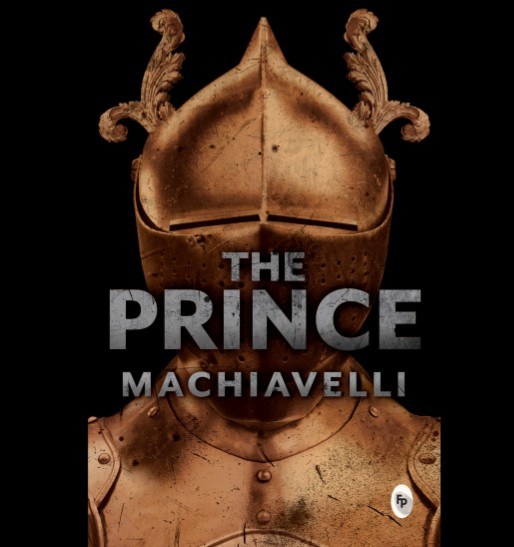
Click to enlarge
The Prince
Tags
In Stock
In stock: 2-5 days delivery
Ask about this book
Not sure if it's right for you?
Ask our assistant anything about The Prince.
Answers are AI-generated from this book's details and may not be perfect.
The Prince is Niccolò Machiavelli's seminal work on political power and statecraft, written in 1513 and published posthumously in 1532. This book remains one of the most influential and controversial texts in Western political thought, offering a starkly realistic guide for rulers on how to acquire and hold power. Machiavelli draws on his vast experience as a diplomat and his deep study of ancient history to craft a manual that prioritizes efficacy over morality.
The treatise is divided into 26 chapters, each addressing specific aspects of princedom. Machiavelli discusses the types of principalities (hereditary, mixed, new, ecclesiastical), how to conquer and govern them, the role of military forces, and the behavior of a prince toward his subjects and allies. He famously argues that a prince must be willing to act immorally when necessary, stating that the ends justify the means. This pragmatic approach gave rise to the term 'Machiavellian', now synonymous with cunning and deceit in politics.
Key themes include: the balance between being loved and feared (with a clear preference for fear as more reliable), the importance of appearing virtuous even if not practicing virtue, the necessity of decisive action and strategic cruelty, and the role of fortune versus free will. Machiavelli uses historical examples from ancient Rome, Renaissance Italy, and contemporary rulers to illustrate his points, making the text as much a work of history as of political philosophy.
The book's notorious advice includes: a prince should break promises if keeping them harms his state, it is better to be miserly than generous to avoid taxing the people, and a ruler should cultivate a military force composed of citizens rather than mercenaries. Machiavelli also famously contrasts the lion (force) and the fox (cunning), urging a prince to emulate both.
Controversial in its own time, The Prince was placed on the Catholic Church's Index of Prohibited Books in 1559. Yet it was secretly studied by many monarchs and statesmen. Its influence extends far beyond politics: it has shaped modern theories of realpolitik, business strategy, and even personal ambition. The book's cynical realism challenged the idealistic political philosophies of Plato and Aristotle, laying the groundwork for modern political science.
Today, The Prince is read not only as a historical document but as a timeless exploration of power dynamics. It offers insights into leadership, human nature, and the often uncomfortable truth that effective governance sometimes requires actions that contradict conventional ethics. Whether admired or reviled, Machiavelli's masterpiece remains essential reading for anyone seeking to understand the mechanics of power.
Key Takeaways
- Understand the ruthless yet pragmatic principles of acquiring and maintaining political power as outlined by Machiavelli.
- Recognize the importance of being both feared and loved, but if you cannot be both, choose fear to ensure loyalty.
- Learn how a prince should use deception and strategic cruelty for the greater stability of the state.
- Appreciate the historical context of Renaissance Italy and how it shaped Machiavelli's cynical yet realistic views.
- Discover why The Prince remains a cornerstone of political science and a controversial guide for leaders.
Customer feedback
Reviews & Service Ratings
See what readers say about this book and our service.
Service rating
0.0/5
Please sign in to leave a review and rate our service.
No reviews yet. Be the first to rate this book and our service.
You Might Also Like
Browse All

Products You May Like
Shop All




Bookolatha
Online · Bookolog assistant
Bookolatha is grounded in our catalogue and store info. Answers may not be perfect.