
Click to enlarge
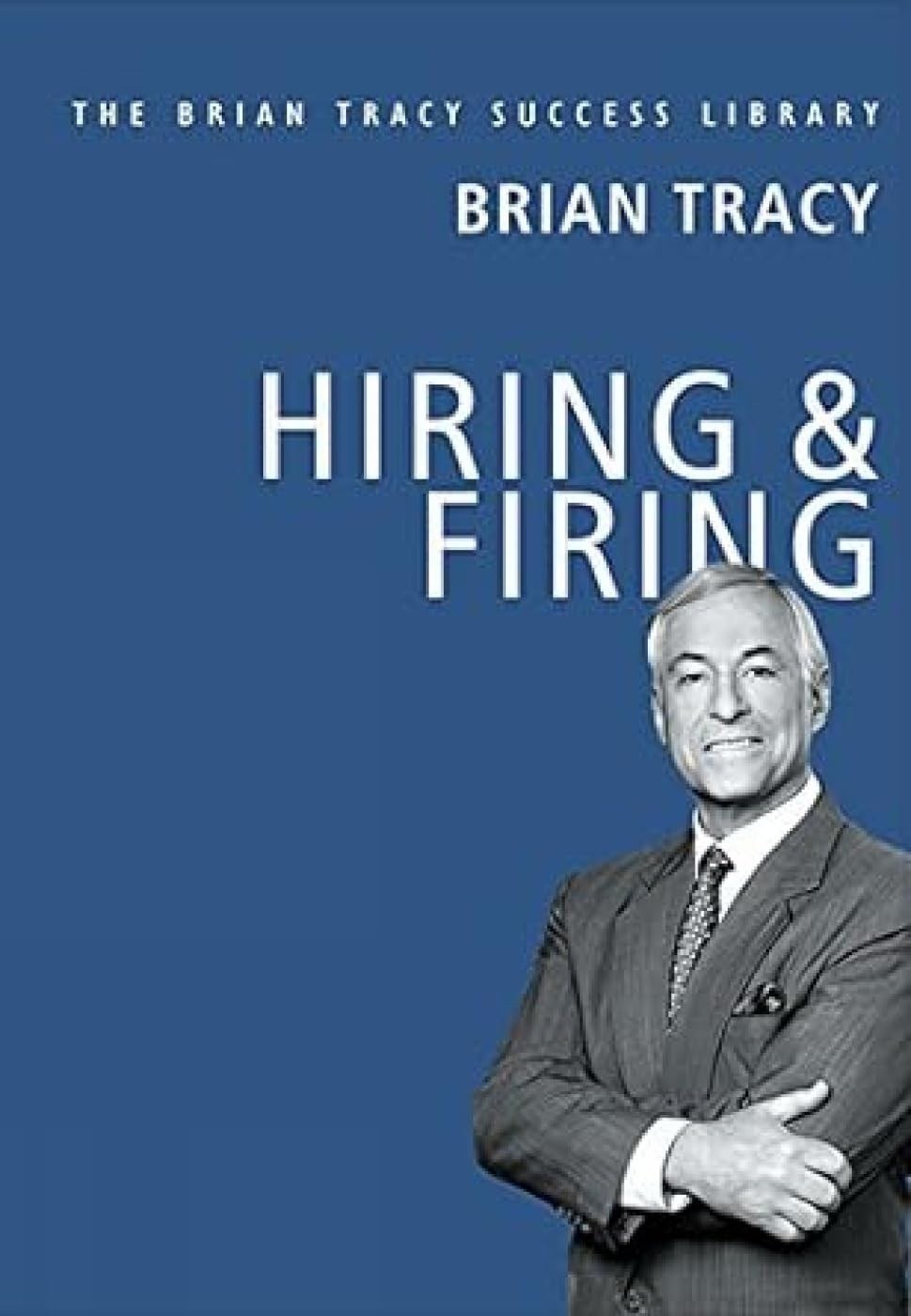
Hiring and Firing (The Brian Tracy Success Library)
Tags
In Stock
In stock: 2-5 days delivery
Ask about this book
Not sure if it's right for you?
Ask our assistant anything about Hiring and Firing (The Brian Tracy Success Library).
Answers are AI-generated from this book's details and may not be perfect.
In Hiring and Firing, part of The Brian Tracy Success Library, Brian Tracy distills decades of experience into a practical guide for managers who understand that the quality of their workforce determines their organization's fate. The ability to hire the right people and, when necessary, let go of the wrong ones is a strategic imperative that drives growth, innovation, and profitability. This book offers proven techniques and real-world wisdom to master these critical skills, making it an indispensable resource for leaders in today's competitive environment. Whether you lead a startup in Colombo, manage a department in a multinational in Sri Lanka, or run a family business in Kandy, these principles help you build a high-performing team and sustain long-term success.
The hiring process begins long before the first resume arrives. Tracy emphasizes clarity: define job requirements, key responsibilities, and the ideal candidate profile before posting a vacancy. He advocates a structured approach that breaks down roles into core competencies and identifies behaviors indicating success. Sourcing talent effectively is another pillar, with actionable tips on leveraging professional networks, social media like LinkedIn, employee referrals, and recruitment agencies. Tracy advises always recruiting, even when no openings exist, to build a talent pipeline for future needs. This proactive mindset is especially valuable in markets like Sri Lanka, where skilled talent can be scarce; maintaining a continuous flow of candidates reduces panic hiring and increases hire quality.
Structured interviews form the bedrock of Tracy's selection process. He recommends using a consistent set of behavioral questions for all candidates, such as 'Tell me about a time you had to resolve a conflict within your team,' to assess past performance as a predictor of future behavior. Involving multiple team members in interviews provides diverse perspectives and reduces individual biases like the halo effect or cultural fit bias. He covers assessment tools like work samples, role-playing exercises, and psychometric tests, and underscores the importance of reference checks. Once you select the best candidate, he stresses the need for a compelling offer that includes compensation, growth opportunities, and a clear value proposition, crucial for attracting top talent in competitive industries in Sri Lanka.
Effective onboarding bridges hiring and long-term retention. Tracy outlines a structured program that starts before the first day: sending a welcome package, preparing the workspace, and assigning a mentor. New hires receive clear orientation to the company's mission, values, policies, and their role. He recommends setting short-term goals for the first 30, 60, and 90 days, with regular check-ins. A strong start dramatically improves employee engagement, reduces turnover, and accelerates time to productivity. This investment pays dividends in loyalty and performance, especially in Sri Lanka's job market where turnover costs can be significant for small and medium enterprises.
Performance management is ongoing and essential to both preventing the need for firing and maximizing contributions. Tracy introduces SMART goals to set clear expectations and emphasizes regular feedback sessions, both formal appraisals and informal conversations, to identify issues early. He stresses positive reinforcement: recognizing and rewarding good performance motivates employees and sets standards. When performance falls short, he advises using performance improvement plans (PIPs) as structured interventions that outline specific areas for improvement, measurable targets, timelines, and support resources. PIPs give underperforming employees a fair chance while documenting the process if termination becomes necessary. Tracy draws on motivational theories to explain employee engagement, encouraging managers to create an environment that satisfies needs for recognition, autonomy, and growth, reducing voluntary turnover.
Despite best efforts, firing is sometimes inevitable. Tracy provides a compassionate yet firm framework. He stresses that firing should be a last resort, following a clear process of documentation, verbal warnings, written warnings, and PIPs. But when the decision is made, it must be executed decisively, respectfully, and in compliance with employment laws. He delves into legal considerations relevant to Sri Lanka and other jurisdictions: understanding at-will employment, avoiding discrimination claims, ensuring documentation, and consulting with HR or legal counsel. He provides scripts for difficult conversations, emphasizing directness, privacy, and conciseness. The goal is to preserve the departing employee's dignity and protect the remaining team's morale. Tracy also addresses the emotional aspects: managers may feel guilt, anxiety, or relief, and he advises professionalism and empathy. Exit interviews can reveal lessons to improve future practices.
Beyond the basics, Tracy explores advanced topics. He applies the Pareto Principle: 80% of results often come from 20% of employees. Leaders are urged to identify and invest heavily in top performers through challenging assignments, mentoring, and rewards. Conversely, they must address bottom performers through development, reassignment, or separation. He discusses succession planning, cultural fit, and diversity, highlighting how diverse teams drive innovation. The book concludes with a call for self-reflection: managers must continuously improve their communication, delegation, and leadership skills. The Hiring and Firing methodology is a continuous cycle of attracting, developing, and retaining talent that fuels business success.
Written in Tracy's hallmark straightforward, action-oriented style, the book is packed with real-world examples and anecdotes. Each chapter ends with a summary of key principles that can be applied immediately. For business leaders in Sri Lanka, this book offers a roadmap to building a robust workforce amid local challenges like limited talent pools, high competition for skilled professionals, and legal frameworks. By following Tracy's advice, managers can reduce turnover, enhance team cohesion, and drive better outcomes. Whether you are a seasoned executive or a new manager, Hiring and Firing equips you with tools to make confident, informed decisions about your most vital resource: your people. This essential addition to any leader's library is available through Bookolog for readers in Sri Lanka and beyond.
Key Takeaways
- Learn to define job requirements clearly before recruiting to attract precisely the right candidates.
- Use structured behavioral interviews and involve multiple team members to reduce hiring biases.
- Understand the compassionate and legal process for termination when a hire isn't working out.
- Discover how effective onboarding and setting clear expectations boost new hire retention and performance.
- Apply the Pareto principle to focus on top performers and continuously recruit even without openings.
Customer feedback
Reviews & Service Ratings
See what readers say about this book and our service.
Service rating
0.0/5
Please sign in to leave a review and rate our service.
No reviews yet. Be the first to rate this book and our service.
More from Brian Tracy
View All
You Might Also Like
Browse All





Products You May Like
Shop All




Bookolatha
Online · Bookolog assistant
Chat history
This chat stays available while you browse.
Log in to save and revisit multiple conversations.
Log in →Bookolatha is grounded in our catalogue and store info. Answers may not be perfect.