








Smart Money Habits: 5 Books That Teach You How to Save and Grow Wealth
6 min read
Click to enlarge
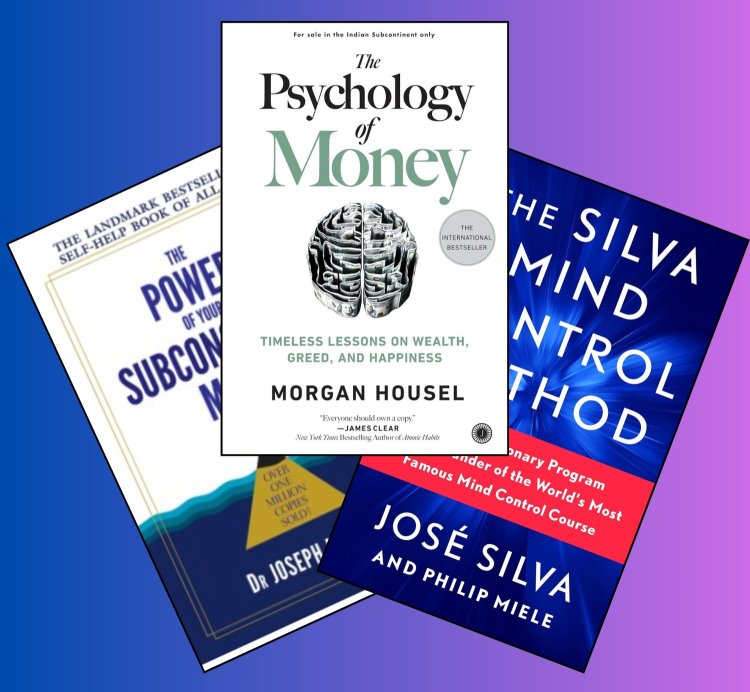
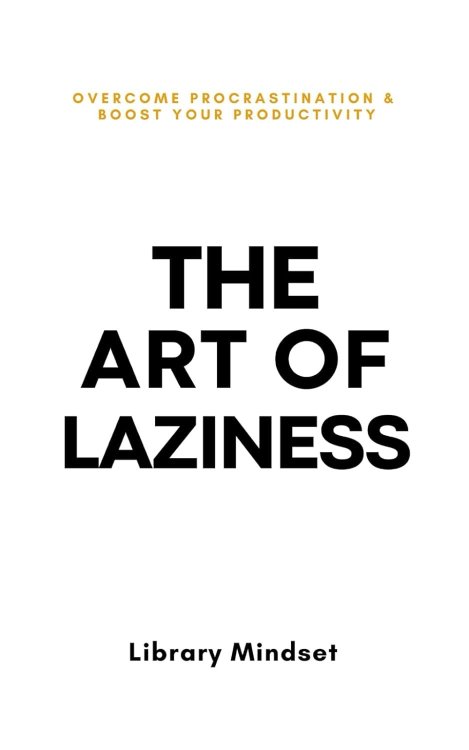
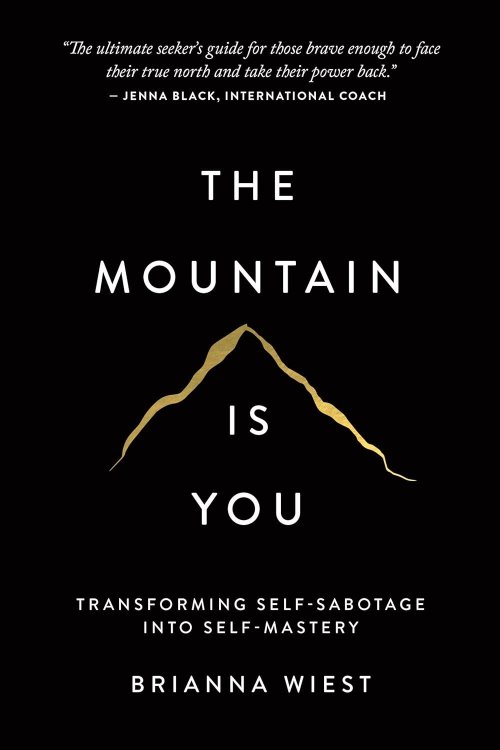
Three books. Total mind upgrade. 🧠📘✨
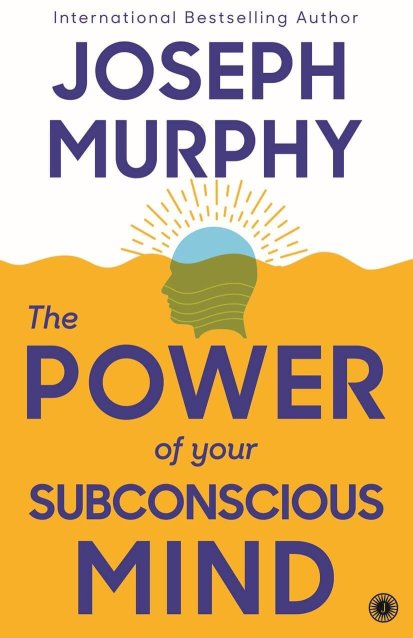
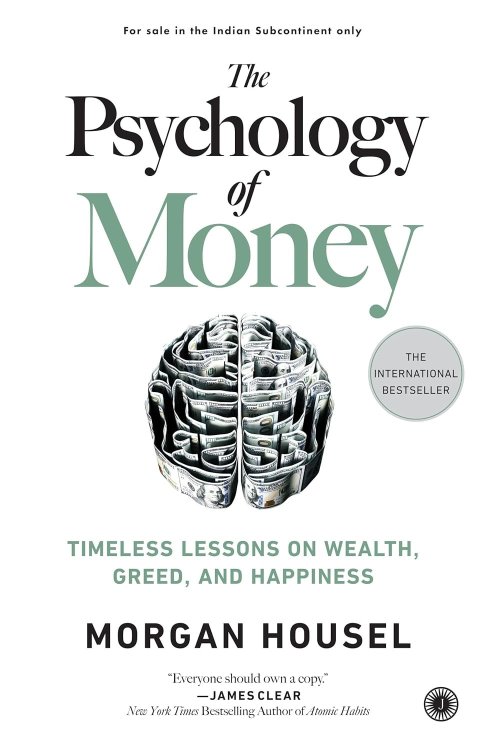
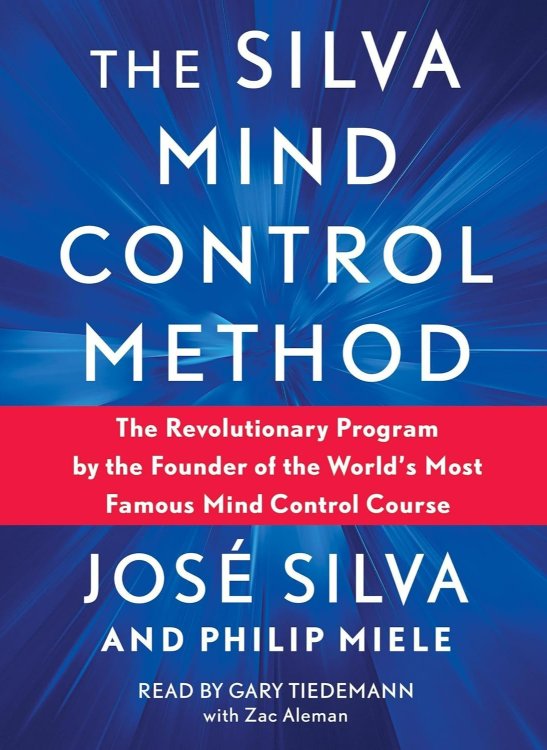

Three transformative books to help you break free from procrastination, self-sabotage, and financial blind spots. Unlock your potential from the inside out.
In Stock
In stock: 2-5 days delivery
Ask about this book
Ask our assistant anything about The Psychology of Money.
Answers are AI-generated from this book's details and may not be perfect.
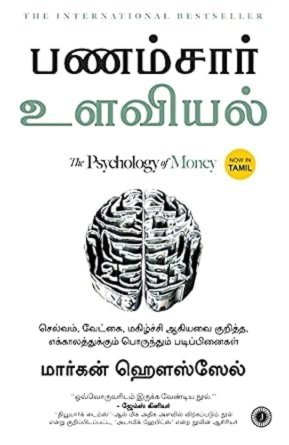
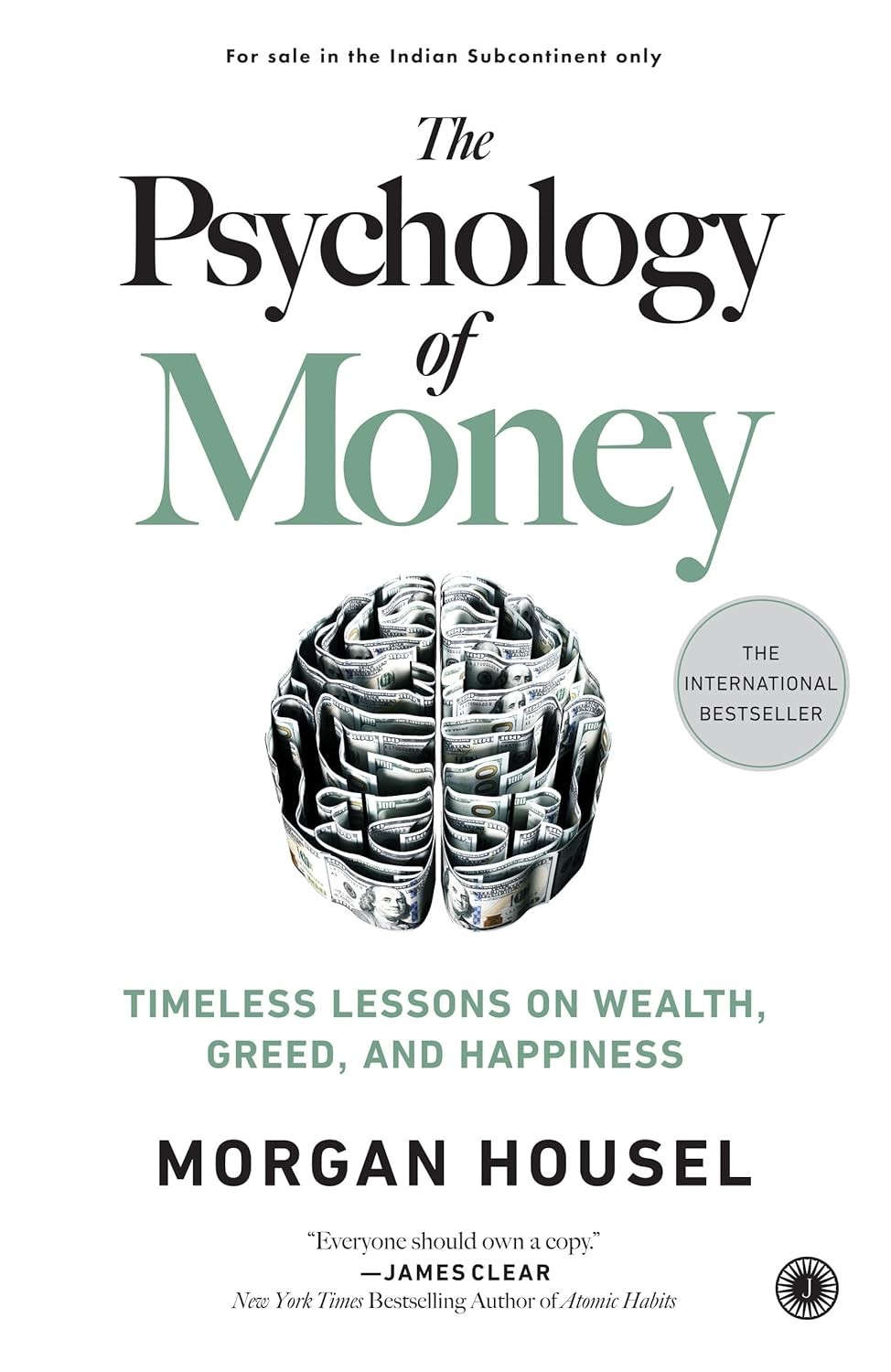
We have all been taught that money is a matter of math: spreadsheets, compound interest calculators, and retirement projections dominate the conversation. Yet if personal finance were merely a numbers game, would not everyone with an Ivy League degree or a finance background be wealthy? The truth is far more nuanced. In The Psychology of Money, Morgan Housel strips away the numbers to reveal the emotional and behavioral forces that truly drive our financial decisions. This is not a how-to guide on picking stocks or getting rich quickly. It is a profound examination of the human side of money, exploring why we behave the way we do with our finances and how those behaviors impact our wealth, happiness, and relationships.
Housel, an award-winning author and columnist, has a gift for distilling complex ideas into simple, powerful stories. The book is structured around 19 short stories, each highlighting a different lesson. One explores the role of luck in success, reminding us that the line between genius and fool is often drawn by chance rather than skill. Another examines compounding, not just in money but in life, showing how small actions taken consistently over time can lead to extraordinary results. Housel also tackles the dangerous allure of ego and greed, the pain of financial loss, and the underrated power of saving without a specific goal. Each story builds a holistic understanding of money that is both intellectual and deeply human.
At the heart of Housel's philosophy is the idea that doing well with money is not about how much you know. It is about how you behave. And behavior is the hardest thing to teach, even to brilliant people. This is why the book resonates with such a wide audience. It does not preach a specific investment strategy or prescribe a rigid financial plan. Instead, it invites readers to examine their own attitudes, biases, and experiences. Housel writes with empathy and humility, acknowledging that everyone's financial journey is shaped by their unique history. He argues that we all live in our own financial bubbles, seeing the world through the lens of our personal experiences, which are often incomplete. This recognition is the first step toward making better decisions.
One of the most striking themes is the distinction between being rich and being wealthy. Housel defines rich as having a high income, while wealthy is having assets that generate income or can be drawn upon in the future. Many people mistake the appearance of wealth for actual wealth. He warns against the trap of conspicuous consumption and the social pressure to keep up with others. Instead, he champions the value of humility, patience, and the ability to say no to unnecessary expenses. The book encourages readers to focus on the long game, to embrace uncertainty with grace, and to recognize that risk is not always a bad thing if it is understood and managed.
Housel also delves into the psychology of investing, contrasting the behavior of the crowd with the discipline of the individual. He points out that the ability to sit still during market volatility is a superpower. The book shares stories of investors who lost everything because they lacked perspective, and others who built vast wealth simply by being patient and avoiding catastrophic mistakes. Housel emphasizes that time in the market beats timing the market, and that the greatest competitive advantage is a long time horizon. The power of compounding works silently, often invisibly, and its effects are only fully appreciated over long periods.
The book also addresses the psychology of luck and risk. Housel argues that the outcome of any single financial decision is a combination of skill and chance. We cannot control the outcome, only the process. He urges readers to be humble about success and empathetic about failure. He advises that we should never judge financial outcomes without considering the role of luck, and that we should always plan for the unexpected. This perspective is particularly valuable in an unpredictable world.
Housel's writing style is calm, clear, and engaging. He avoids jargon and condescension, making the book accessible to beginners while still offering depth for seasoned investors. The mood is reflective and wise, like conversing with a trusted mentor. There are no charts, no formulas, no complicated theories. Just stories that stick. The book speaks to universal human tendencies, such as the desire for instant gratification, the fear of missing out, and the tendency to extrapolate recent events into the future. By exposing these biases, Housel helps readers develop a healthier relationship with money.
For readers in Sri Lanka, The Psychology of Money is especially relevant. The economic landscape in Sri Lanka has seen significant volatility in recent years, with inflation, currency fluctuations, and a challenging business environment creating uncertainty for investors and savers. Housel's lessons about risk management, the importance of a long-term perspective, and the dangers of chasing returns are not confined to developed markets. They apply anywhere human beings make financial decisions. Understanding the psychological traps that lead to poor choices can help Sri Lankans navigate their personal finances more effectively, whether they are investing in real estate, saving for retirement, or simply budgeting month to month.
One of the most compelling aspects of the book is its humility. Housel admits that he has made many mistakes with money and that he does not have all the answers. He shares his own struggles and biases, which makes the book feel honest and relatable. He does not pretend to be a financial guru; instead, he positions himself as a fellow traveler on the journey to financial well-being. This authenticity is rare in personal finance literature. Housel's gentle, questioning tone invites readers to think critically about their own assumptions and to build a personal philosophy that works for them.
In conclusion, The Psychology of Money is not just a book about money. It is a book about life. It teaches that the best things in life are not things, and that money is merely a tool to support the goals that truly matter: family, health, happiness, and meaningful work. Morgan Housel has crafted a masterpiece that will change the way you think about your finances and your life. Available now at Bookolog, the premier online bookstore in Sri Lanka, this book is a must-read for anyone who wants to build a better relationship with money and, ultimately, with themselves.
Customer feedback
See what readers say about this book and our service.
Service rating
0.0/5
Please sign in to leave a review and rate our service.
No reviews yet. Be the first to rate this book and our service.
Customers who purchased The Psychology of Money also found these books interesting
Save by buying together
Bookolatha
Online · Bookolog assistant
Chat history
This chat stays available while you browse.
Log in to save and revisit multiple conversations.
Log in →Bookolatha is grounded in our catalogue and store info. Answers may not be perfect.