

Money has a quiet way of disappearing. Not through dramatic splurges or big one-time purchases, but through small, everyday decisions an extra meal out, a quick online order, a subscription renewed without notice. By the end of the month, you’re left wondering how your salary seemed so sufficient on payday and so tight just weeks later.
For many people, the challenge isn’t earning more. It’s managing what already comes in.
Saving money often sounds restrictive, as if it requires cutting out every joy or living with constant discipline. But in reality, smart saving is less about sacrifice and more about awareness. It’s about understanding where your money goes and making intentional choices that align with what truly matters.
Financial stability doesn’t demand complicated strategies or expert knowledge. It grows from small, repeatable habits tracking expenses, planning ahead, and learning from ideas that have stood the test of time. And one of the most reliable ways to learn those ideas is through books.
The right personal finance book doesn’t just teach numbers. It changes your mindset. It helps you think differently about spending, debt, and long-term security. Sometimes, a single chapter can shift your perspective more than years of trial and error.
Here’s a practical approach to building better money habits, along with five thoughtful books that can guide the journey.
Why Saving Creates Freedom
Life rarely moves in a straight line. Unexpected costs show up without warning medical bills, repairs, family needs, sudden opportunities that require quick decisions. Without savings, these moments can feel overwhelming. With savings, they feel manageable.
A financial cushion offers something deeper than money: it offers calm.
When you’re not constantly worried about the next expense, you think more clearly. You make decisions with patience instead of panic. You avoid unnecessary debt. You gain the freedom to say yes to opportunities and no to pressures.
Saving isn’t about becoming wealthy overnight. It’s about creating breathing room so that life feels less fragile and more flexible.
Building Better Habits, One Step at a Time
Most lasting financial changes begin with observation.
Spend a few weeks tracking every expense, no matter how small. Writing things down reveals patterns that are easy to miss frequent snacks, impulse shopping, or services you rarely use. Awareness alone often reduces spending without any strict rules.
From there, create a simple structure for your income. Many people find it helpful to divide money into three broad groups: essentials, lifestyle choices, and savings. The exact percentages don’t matter as much as the habit of setting something aside first.
Cooking more meals at home, planning purchases instead of buying on impulse, and waiting a day before making non-essential purchases can quietly save more than expected. These aren’t dramatic changes. They’re small shifts that add up over time.
Automating savings also helps. Moving money into a separate account as soon as your paycheck arrives removes the temptation to spend it. What you don’t constantly see, you’re less likely to touch.
And once savings start to grow, consider ways to protect and grow that money through safe investment options rather than leaving it idle. Even modest returns compound over the years.
Consistency matters more than perfection. Small efforts repeated monthly will always outperform occasional bursts of motivation.
Five Books That Can Change Your Relationship With Money
If habits shape daily life, ideas shape habits. The following books offer different perspectives on earning, saving, and building long-term stability.
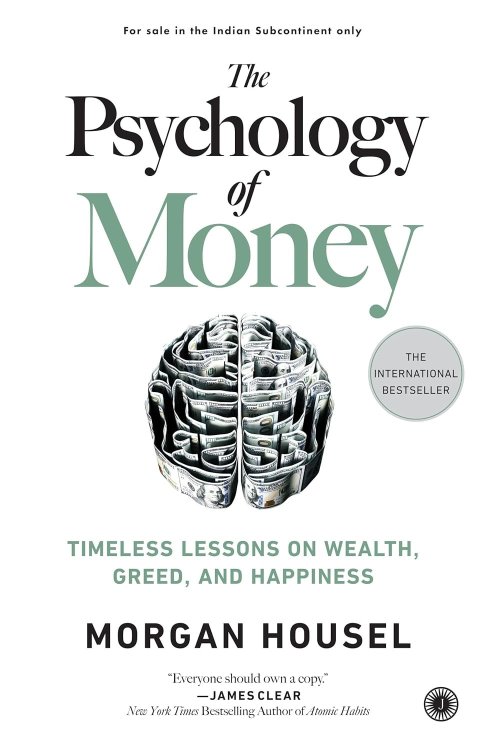
The Psychology of Money : Morgan Housel
This modern favorite explores the emotional side of finance. Instead of focusing on technical strategies, it explains how behavior patience, fear, confidence, and discipline often determines outcomes. Through engaging stories, it shows that managing money well is less about intelligence and more about steady decision-making. It’s thoughtful, relatable, and surprisingly comforting.
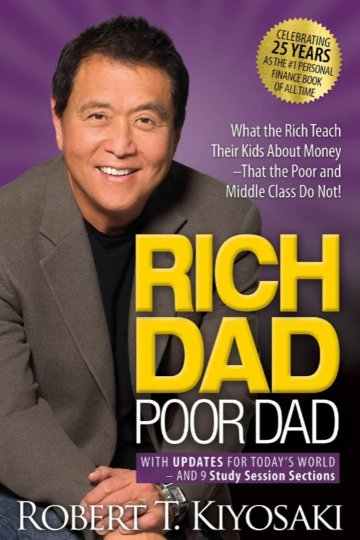
Rich Dad Poor Dad : Robert T. Kiyosaki
A widely read classic, this book challenges traditional beliefs about work and income. It introduces the idea of building assets that generate money rather than relying solely on a paycheck. Its lessons on ownership, investing, and financial independence have encouraged many readers to rethink how they approach their careers and savings.
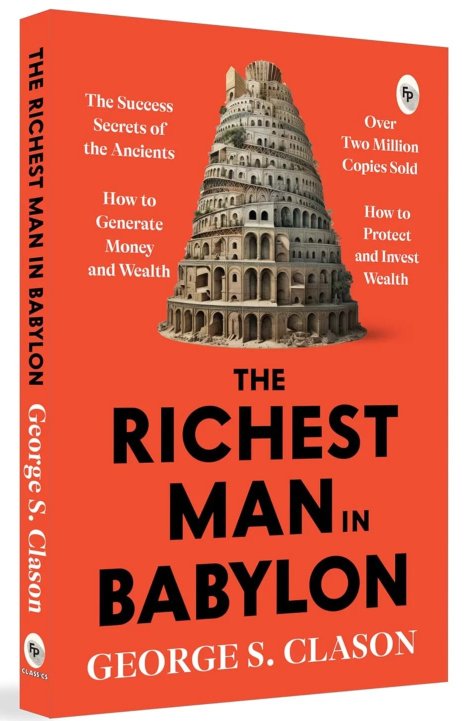
The Richest Man in Babylon : George S. Clason
Told through simple parables set in the ancient world, this timeless book shares practical rules that still apply today. Messages like “pay yourself first” and “live below your means” feel straightforward yet powerful. It’s short, memorable, and ideal for anyone new to personal finance.
Your Money or Your Life : Vicki Robin
This reflective guide takes a deeper approach, asking readers to consider what their money really represents time, energy, and life itself. It encourages mindful spending and helps align financial decisions with personal values. The result is a healthier, more intentional relationship with money.
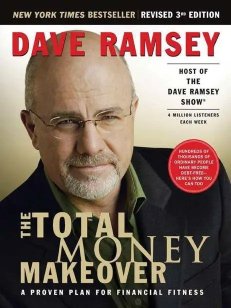
The Total Money Makeover : Dave Ramsey
For those who prefer clear steps, this book offers a practical roadmap. It lays out a simple system for eliminating debt, building emergency savings, and steadily growing wealth. Direct and action-oriented, it’s especially helpful for families starting fresh.
Turning Knowledge Into Action
Reading alone won’t change your finances. Action will.
Start small. Save a little each week. Question purchases before making them. Review your spending regularly. These steps may feel minor, but they create momentum.
Over time, you’ll notice subtle shifts. Bills feel less stressful. Emergencies feel less overwhelming. Goals feel closer and more realistic.
That’s the real reward not just more money, but more control.
Final Thoughts
Financial security isn’t built through shortcuts or sudden windfalls. It’s built quietly, through daily awareness and steady habits. A thoughtful book can guide you. A simple system can support you. But the real progress comes from showing up consistently.
Begin wherever you are. Track one week of expenses. Set aside a small amount today. Read a few pages tonight.
Small steps, taken regularly, lead to lasting change.
At Bookolog, we believe books have the power to shape everyday life and sometimes, the right read can be the first step toward a more confident financial future.