
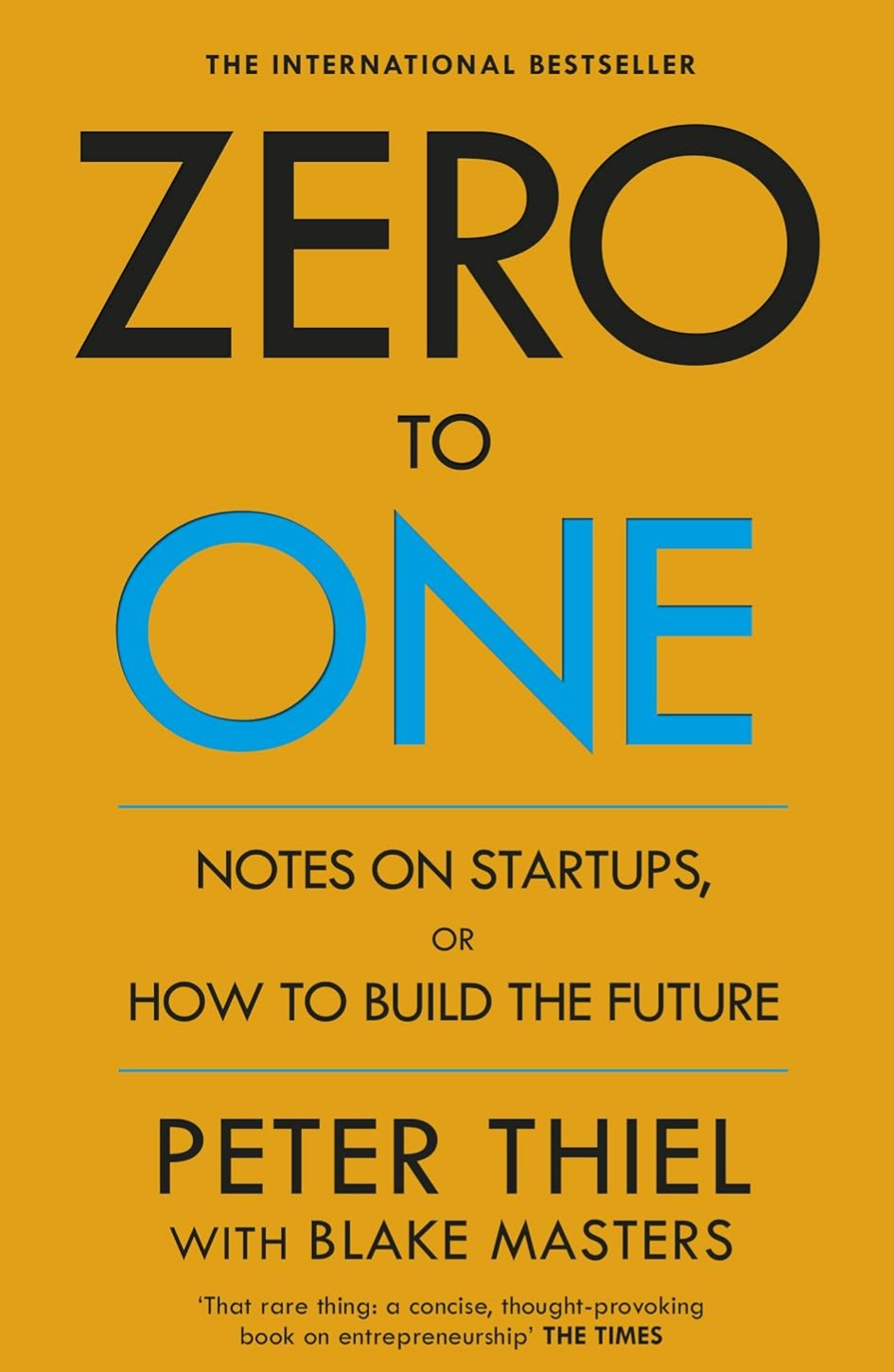
Click to enlarge
Zero to One: Notes on Start Ups, or How to Build the Future
Tags
💰 Available in Combo Offers

Success Mastery Bundle
A powerful trio for entrepreneurs and high-achievers, combining success mindset, daily discipline, and breakthrough thinking. Perfect for anyone ready to turn ambition into action.
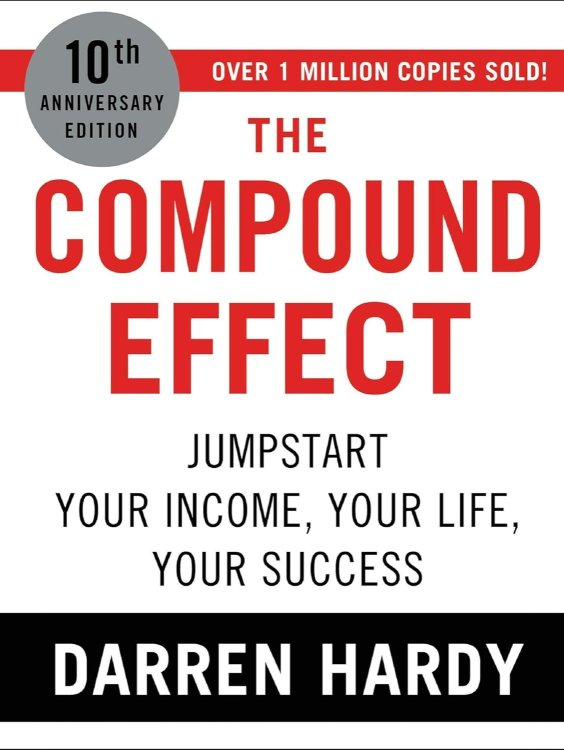
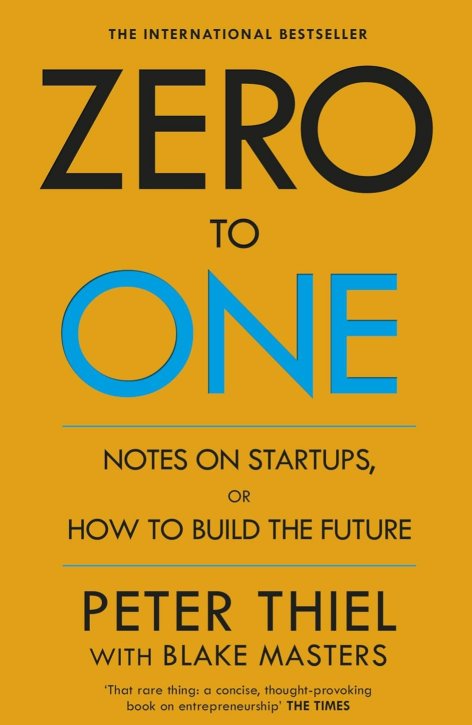

The Wealth Mindset Trilogy: Attract Success and Build Your Future
Unlock the secrets to wealth and innovation with three timeless books. From mindset to startup strategy, this bundle transforms how you think about success.
In Stock
In stock: 2-5 days delivery
Ask about this book
Not sure if it's right for you?
Ask our assistant anything about Zero to One: Notes on Start Ups, or How to Build the Future.
Answers are AI-generated from this book's details and may not be perfect.
Zero to One: Notes on Startups, or How to Build the Future is a landmark book by renowned entrepreneur and venture capitalist Peter Thiel, co-founder of PayPal and early investor in Facebook, written with Blake Masters. At its core, the book presents a contrarian thesis: true progress comes not from copying what exists (going from one to many) but from creating something entirely new - going from zero to one. This is not a conventional how-to guide but a philosophical and practical exploration of what it takes to build a business that reshapes the world.
Thiel challenges the narrative of competition as healthy, arguing it erodes profits and blinds entrepreneurs to valuable opportunities. Instead, he advocates building monopolies - not anticompetitive ones, but companies that offer such a superior product that they dominate a market. He uses PayPal's example: starting in a tiny niche (enabling payments for a few thousand Palm Pilot users) before expanding globally. The lesson: start small, dominate that small market, then scale. Thiel's monopoly thesis is about creating so much value that competition becomes irrelevant.
Another powerful idea is secrets - important truths that few people agree with. The most successful entrepreneurs identify and pursue these secrets, building companies around them. Thiel cites Airbnb (people trust strangers to stay in their homes) and SpaceX (reusable rockets). For him, the future is shaped by those bold enough to uncover and act on secrets. This resonates in emerging economies like Sri Lanka, where entrepreneurs can discover unique secrets related to culture, geography, or untapped needs.
The book delves into the power law in venture capital: a small number of investments generate the vast majority of returns. Thiel applies this to startups, arguing a company's most valuable efforts are concentrated in a few key areas. He advises founders to identify the one thing that matters most and focus relentlessly. This is a reality check for entrepreneurs who think they need to excel everywhere. Thiel also emphasizes the role of sales and distribution - even the best product fails without an effective strategy to reach customers. He introduces the concept of the "secret engine" of growth and insists every entrepreneur master at least one distribution channel. This is especially relevant in Sri Lanka, where local startups often struggle with scaling due to limited internet penetration or fragmented markets.
Thiel explores technology's role in shaping the future, skeptical that it automatically improves lives. He advocates deliberate, human-centered innovation that solves real problems. For Sri Lankan readers, this means focusing on technologies addressing local needs - solar energy for power shortages, agri-tech for farming, or fintech for financial inclusion - rather than chasing trends. The book's emphasis on long-term thinking is another standout theme. Thiel criticizes short-termism and encourages founders to ask: What will the world look like in 10 or 20 years, and how can my company shape that vision? This is a potent call to action for Sri Lankan entrepreneurs who often operate in a volatile environment where immediate survival takes precedence over future building.
Zero to One is not just a business book; it is a manifesto for thinking differently about progress, competition, and the individual's role in shaping society. Thiel writes with clarity and confidence, challenging readers to question assumptions. He does not provide a step-by-step blueprint but principles adaptable to any context. The book is ideal for aspiring founders, seasoned entrepreneurs, investors, policymakers, and anyone who believes the future is something we can create. Its lessons are universal, yet especially powerful for readers in emerging markets like Sri Lanka, where opportunities for creating something from nothing are vast and untapped. Bookolog is thrilled to offer this indispensable resource to our customers, enabling them to join the global conversation on innovation and build companies that truly make a difference.
Thiel's writing is direct and engaging, with academic rigor. He does not shy from controversy, such as criticizing higher education as a bubble or contrasting globalization (horizontal expansion, one to many) with technology (vertical progress, zero to one). He argues vertical progress is more important for long-term human advancement. In Sri Lanka, where globalization has brought both benefits and challenges, focusing on vertical progress can help local entrepreneurs build businesses less dependent on cheap labor or foreign markets. Another key chapter is on brand building: startups that create strong brands reduce customer acquisition costs and build moats. For Sri Lankan startups, building a brand resonating with local values - trust, community, sustainability - can be a powerful differentiator.
The book concludes with a chapter on staying humble, reminding that even the most successful startups face existential threats. Thiel encourages founders to maintain healthy skepticism, listen to dissent, and adapt. Yet he balances this with a call to boldness: "The most contrarian thing of all is not to oppose the crowd but to think for yourself." This is the ultimate takeaway from Zero to One - a book that will challenge, inspire, and equip you with the tools to build the future you envision. Purchase your copy today from Bookolog, your trusted online bookstore in Sri Lanka, and start your journey from zero to one.
Key Takeaways
- True progress means creating something new, not just copying what already exists around you.
- Aiming for a monopoly in a small market first is the path to lasting success and real innovation.
- Asking what important truth few people agree with can uncover the best startup opportunities.
- Building a strong team with clear roles and shared vision matters as much as the idea itself.
- Thinking long-term and betting on the future is how you build a company that truly changes the world.
Customer feedback
Reviews & Service Ratings
See what readers say about this book and our service.
Service rating
0.0/5
Please sign in to leave a review and rate our service.
No reviews yet. Be the first to rate this book and our service.
You Might Also Like
Browse All

Products You May Like
Shop All




Bookolatha
Online · Bookolog assistant
Chat history
This chat stays available while you browse.
Log in to save and revisit multiple conversations.
Log in →Bookolatha is grounded in our catalogue and store info. Answers may not be perfect.