
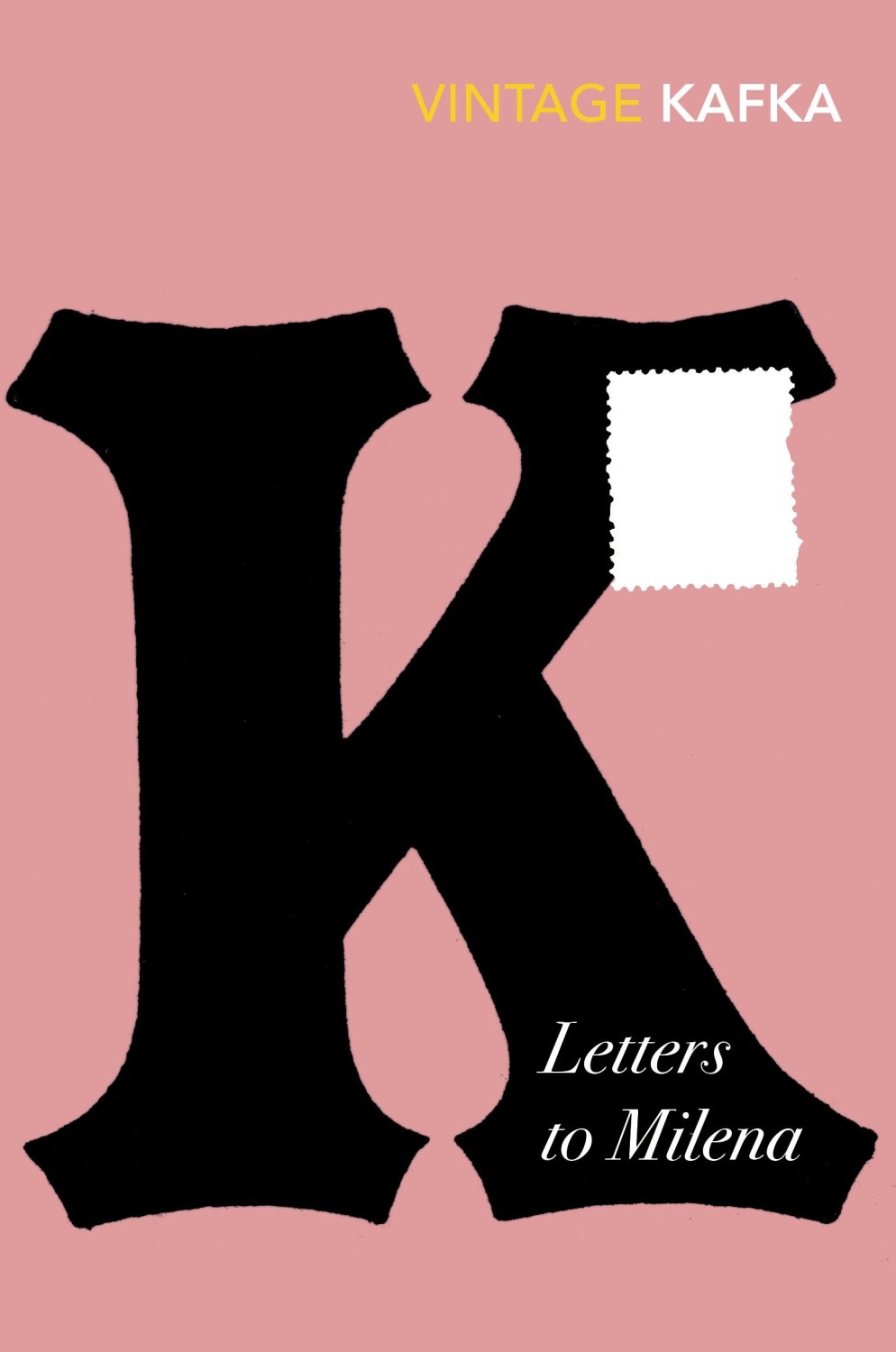
Click to enlarge
Letters to Milena
Tags
In Stock
In stock: 2-5 days delivery
Ask about this book
Not sure if it's right for you?
Ask our assistant anything about Letters to Milena.
Answers are AI-generated from this book's details and may not be perfect.
Letters to Milena is a poignant collection of correspondence from Franz Kafka to Milena Jesenska, the woman who became his confidante and muse during the final years of his life. These letters, written between 1920 and 1923, offer an unparalleled window into Kafka's inner world, far beyond the fictional landscapes of his novels and stories.
The letters are not merely romantic; they are a raw, unfiltered account of a man grappling with his own fragility, his fears, and his obsessions. Kafka's voice is vulnerable and intense, revealing his tormented love for Milena, his constant battles with ill health, and his profound philosophical reflections on life, art, and the human condition. Through these pages, readers witness the brilliant author as he wrestles with his own anxieties and the societal pressures of early 20th-century Europe.
Milena Jesenska herself was a remarkable figure: a journalist, translator, and activist. Kafka entrusted her with his deepest thoughts, and their correspondence became a lifeline for him. The letters are filled with moments of tenderness, jealousy, despair, and even humor. They show Kafka not as a distant literary figure, but as a deeply human being who longed for connection and understanding.
The collection is divided into several sections, each capturing a different phase of their relationship. From the initial excitement of their encounter to the growing strain caused by distance and Kafka's worsening tuberculosis, the letters trace the arc of a passionate yet doomed love affair. Kafka's writing here is less formal than in his published works, yet it crackles with the same poetic intensity and existential clarity.
For readers interested in Kafka's biography, Letters to Milena is an essential text. It provides context for his major works and reveals the real-life inspirations behind his characters and themes. The letters also stand on their own as a masterpiece of epistolary literature, comparable to the correspondences of other great writers like Rilke or Joyce.
Beyond the personal drama, these letters offer insights into Kafka's creative process. He discusses his writing habits, his frustrations with publishers, and his often-pessimistic view of his own work. For example, in one letter, he writes about his struggle to complete The Castle, offering a rare glimpse into the mind of a perfectionist. The letters also touch on contemporary events, including the rise of nationalism and the aftermath of World War I, showing Kafka as a thinker engaged with his world.
The English translation by Philip Boehm is highly regarded for capturing the nuances of Kafka's German prose. The edition also includes helpful footnotes and an introduction that situates the correspondence within the broader context of Kafka's life and era. This makes the book accessible to both longtime fans and new readers.
In summary, Letters to Milena is more than a love story; it is a profound meditation on loneliness, creativity, and the human need for connection. It offers a deeply personal portrait of one of the most enigmatic writers of the 20th century. Whether you are a scholar, a literature enthusiast, or someone seeking raw emotional truth, this book will leave a lasting impression. It is a testament to the power of letters to transcend time and distance, and to the enduring voice of Franz Kafka.
Key Takeaways
- This book offers a raw, unfiltered glimpse into Kafka's deeply personal struggles with love, health, and his creative process, making him more human.
- Readers will gain insight into the writer's philosophical reflections on existence, alienation, and the absurd, directly from his most private correspondence.
- The letters illuminate the profound emotional bond between Kafka and Milena Jesenska, showing how their relationship shaped his later works.
- You will understand the historical and cultural context of early 20th-century Europe through Kafka's eyes, as he comments on war and society.
- This collection serves as a masterclass in epistolary writing, demonstrating how personal letters can become timeless literature.
Customer feedback
Reviews & Service Ratings
See what readers say about this book and our service.
Service rating
0.0/5
Please sign in to leave a review and rate our service.
No reviews yet. Be the first to rate this book and our service.
More from Franz Kafka
View All
You Might Also Like
Browse All



Products You May Like
Shop All



Bookolatha
Online · Bookolog assistant
Bookolatha is grounded in our catalogue and store info. Answers may not be perfect.